Review: Blue Heron – “the distinct voice of a filmmaker making art as a form of healing.”
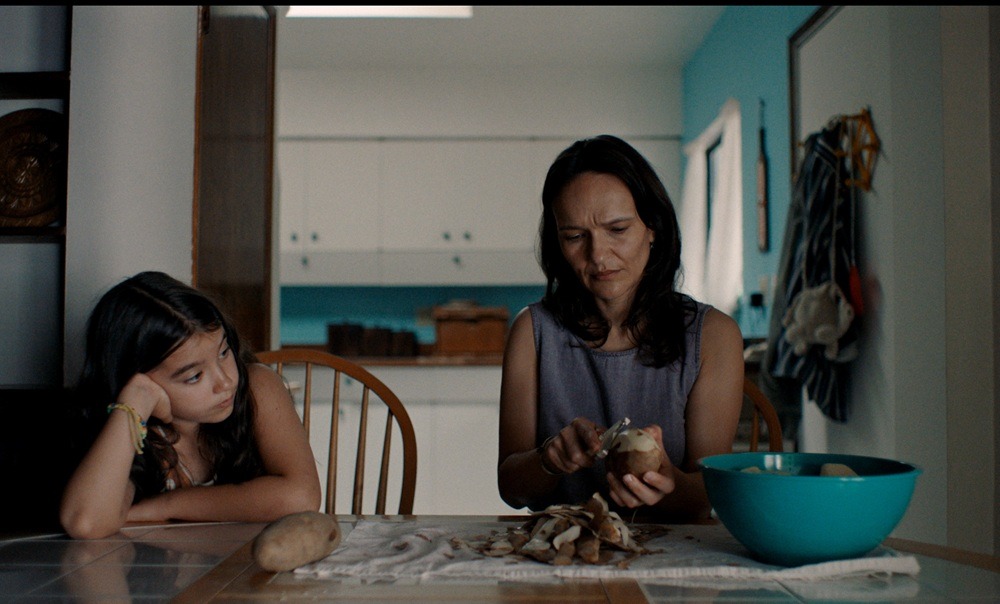
Just like when trying to recollect a dream, remembering our childhood is an arduous task that mostly results in disappointment, as we become unreliable narrators. Back then, our perception of reality was skewed by our lack of understanding, especially whilst witnessing family tensions or experiencing trauma, which would lead to those events not being properly processed and coming back to haunt us in our adult life.
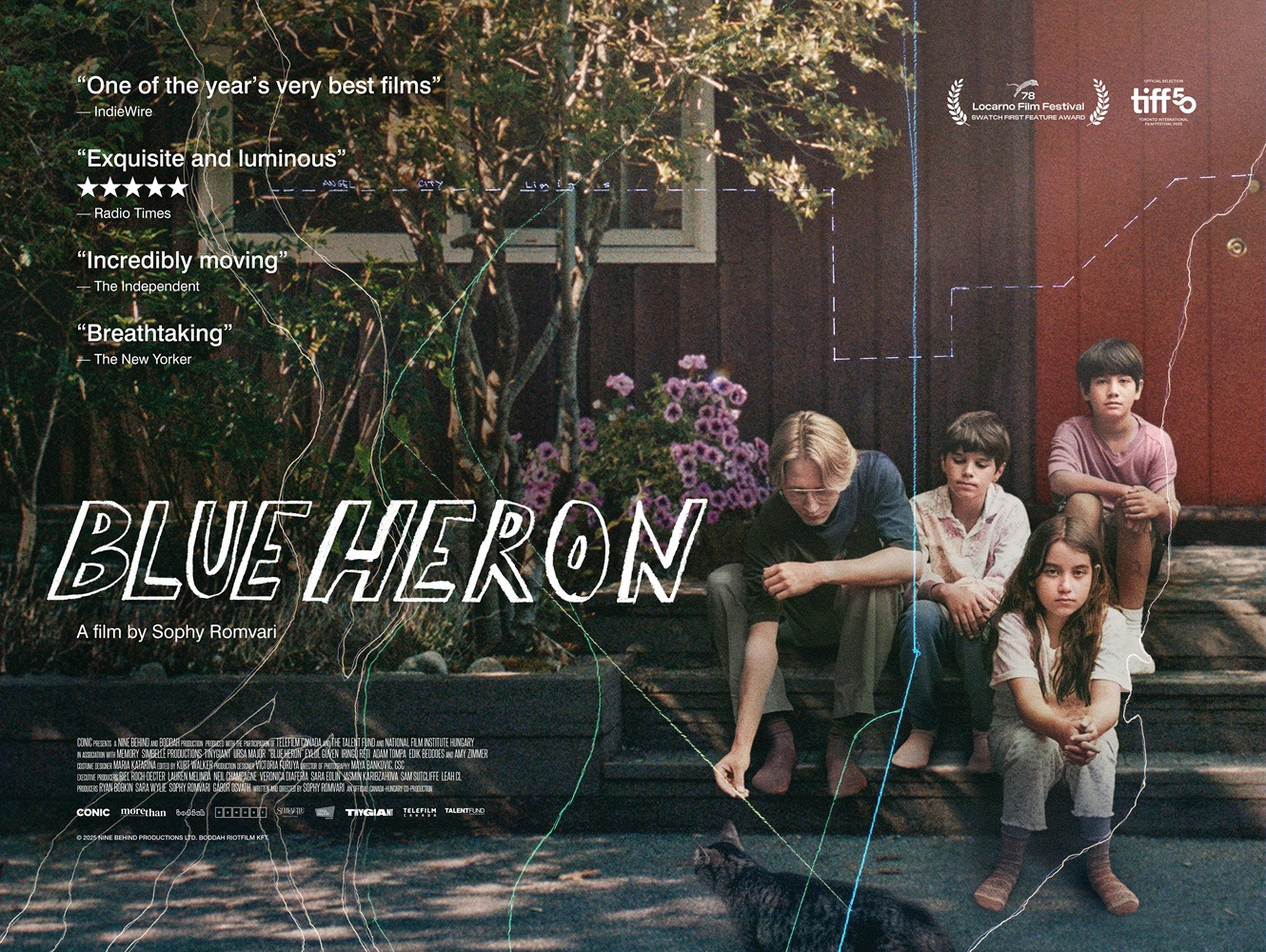
Canadian-Hungarian filmmaker Sophy Romvari perfectly portrays this textbook disconnect and its emotional fallout in her incredible film debut, Blue Heron, which won the First Feature Award at Locarno Film Festival and was named Best Canadian Discovery at Toronto International Film Festival. She does so with stylistic flair, carried over from her documentary short films, but especially by striving to capture naturalistic performances from her brilliant cast, working off a screenplay that feels unflinchingly authentic.
Based on true events from her life, Blue Heron can’t be considered a work of autofiction as the filmmaker has admittedly taken plenty of narrative license but the core premise of a family of Hungarian immigrants moving to Canada whilst dealing with the disruptive behaviour of their eldest teenage son is most definitely a personal one.
The film literally begins with the family arriving at their new home on Vancouver Island. It’s the 90s, as the on-a-budget-but-slick production design subtly establishes and just with the understated yet clever visual choices of her opening sequence, it’s clear from the start that we’re in the hands of a cinematically literate storyteller. The camera follows their moving van zig-zagging through the island’s green from afar and then cuts to black but it looks like the dark image is moving.
It takes us a moment to figure out the POV is now inside the back of the van until it stops and the big door opens, letting the daylight in. It feels like a birth, from the darkness of the unknown into the beginning of a new life, as we are introduced to this family that’s about to start a new chapter, bringing a lot of baggage with them, and not just the literal kind.
Sasha (Eylul Guven), the youngest of four children and the filmmaker’s sort of alter ego, is the film’s unreliable narrator, as we follow the family through her eyes and the story is bookended by her adult self (Amy Zimmer), working on a new filmmaking project aimed at shedding light on her older brother Jeremy’s troubled life journey.
The film doesn’t waste time to reveal what lies beneath the surface of a seemingly normal and happy family unit. The father (Adam Tompa), who’s often documenting their life on photographs or videos, clearly inspiring Sasha’s own artistic inclination, is busy working from home to support their struggling finances. Hence, the mother (Iringó Réti) has to find new ways to entertain the kids by taking them out, whether to the beach or nature trails and museums, during a relentless summer that almost feels like it’s overstaying its welcome.
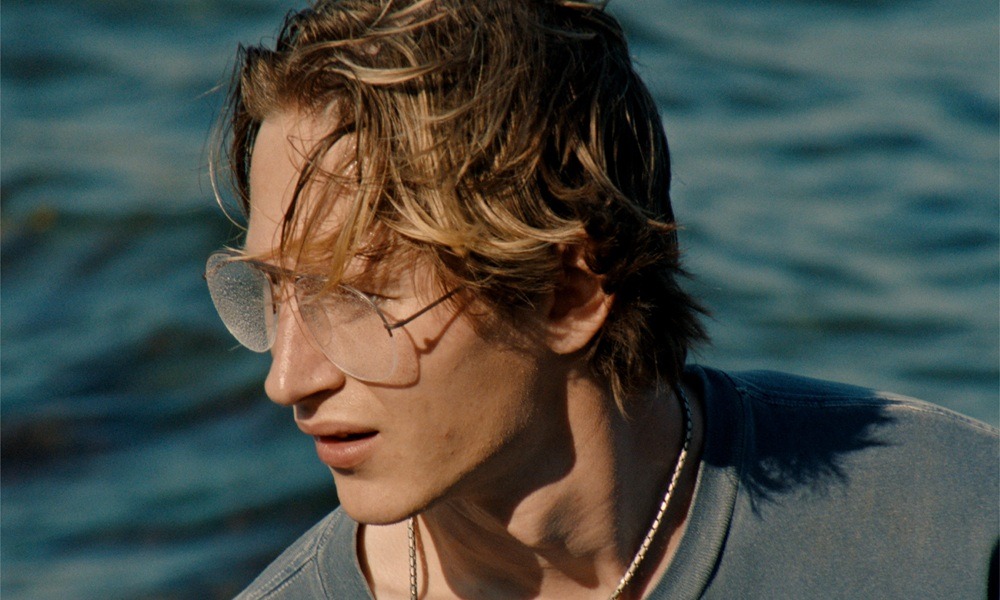
Aside from the age gap with Sasha and the other two little brothers, it’s evident how teenager Jeremy lives in ‘his own world’, isolated and disconnected from everyone else. He’s a restless soul who only finds peace when drawing detailed maps of real places but processed through the lens of his youthful imagination, resulting in beautiful works of art.
Newcomer Edik Beddoes does an impressive, nuanced job at conveying Jeremy’s inner turmoil with his facial expressions and body language. The character is verbal but he barely speaks a few lines throughout the entire movie. He is an enigma and trying to understand the reasons behind the progressively escalating ways in which he keeps acting out becomes his parents’ obsession and the family’s inevitable downfall.
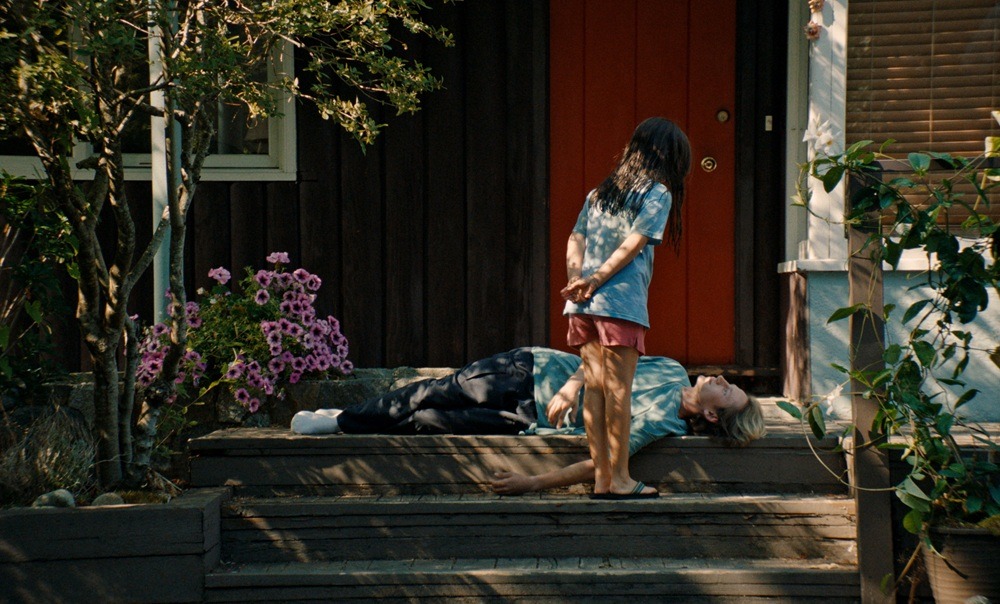
After all, one thing is being childishly annoying to your younger siblings at the breakfast table, playing dead on the house’s front steps for all the neighbours to see or stealing a little heron keychain from the museum store. A whole other story is disappearing without saying a word, shoplifting as a pastime or climbing the house roof and staring down in a catatonic, transfixed state, giving everyone the kind of fright that’s hard to shake off.
When things become unbearable to the point of arranging a meeting with social services, the narrative shifts to adult Sasha, played so vividly by Amy Zimmer, focusing even more on the fragmented nature of childhood memory as she is working on a documentary project piecing together what actually happened to Jeremy and how their family was affected. To that end she manages to get a hold of the case worker who visited their home back in the day and she gathers a group of social services professionals (played by real-life ones) not privy to Jeremy’s history, to collect more insight on her brother’s case with a contemporary perspective.
It’s quite hard to believe this is a first feature. Sophy Romvari masters her craft so seamlessly, as she offers an extremely compelling and thought-provoking case study on family dynamics, mental health and what has changed or hasn’t in those fields across different time periods. Yet she never loses sight of the human factor and the emotional impact that a loved one’s suffering has on the entire family unit. The stylistic device she uses in the final act of the film is as jarring as it is clever, and the way it affects the viewer is deeply moving without being manipulatively sentimental.
If developed by a major Hollywood studio, this story would’ve probably been handled like another glossy and overly polished melodrama pining for Oscars and lacking any authenticity. Here, what transpires from start to finish is the distinct voice of a filmmaker making art as a form of healing, asking compelling questions and creating something rather original in the process.
There are many scenes that stay with you and showcase the film’s ability to make you ponder about things you’ve most likely experienced in your own life but one in particular sets the tone of the film. The mother at some point asks young Sasha: “What do you think about Jeremy? The way he’s behaving…” To which the little girl replies a genuine and heartfelt “I don’t know”. It sums up how parenting doesn’t come with an instruction manual and how children assume their parents have all the answers. But families are messy and their journey is a day-by-day work in progress that never stops changing and evolving, often leaving them with no answers.

Blue Heron is in UK cinemas from 26/06/2026 via Conic Film.
Trailers
Support Live For Films
Follow Us




Advert
Recent Posts


Film Festivals and Conventions







Check out these other sites