The Rise of Vertical Drama: How Short-Form Storytelling Is Changing Mobile Entertainment
Not long ago, most people watched scripted shows on a television or a laptop. Today, many of them watch on a phone held vertically or upright, 1 short episode at a time. These stories are called vertical dramas, and they have grown from a small niche into a global business in only a few years.
Vertical dramas are presented complete stories but it’s divided and cut into short or brief episodes, filmed in a vertical format designed for smartphone viewing. Each episode sometimes runs for 1 or 2 minutes and concludes with an interesting moment that encourages viewers or watchers to continue watching. This blog explains the reasons behind the format’s appeal, its impact on storytelling, and its implications for a much broader streaming industry.
What Is a Vertical Drama?
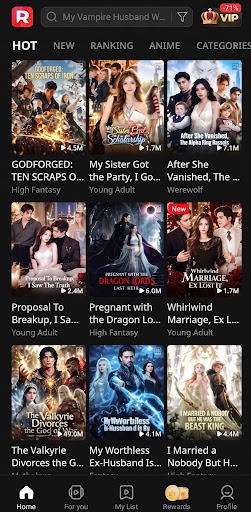
Vertical dramas (also called microdrama, short drama) have the origin of China, you may be familiar with it under the term duanju. It later spread in the US, Latin America, and Southeast Asia. Series are usually ranging from 40 to 100 episodes, with each episode lasting 60 to 120 seconds, and at the end, you get a series that forms a story that looks like a TV series, only in much smaller pieces.
The tall frame is important as well. There are faces up against the camera, with hardly any room for expansive, wide landscape shots. It’s a very intimate feeling, perfect for films that deal in romance, mafia families, werewolves, and revenge.
Here is how the format compares with traditional TV:
Why Fast Pacing and Cliffhangers Work
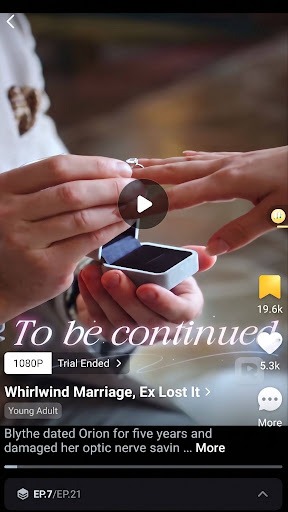
Traditional TV can take an episode or two to build a world. Not on vertical dramas. “The hook must come within the first few seconds” the next video is only one swipe away. “Writers overwhelm each episode with a single, self-contained event, followed by a cliffhanger. ”
That final moment is the cliffhanger, and it is the engine of the whole format. When an episode lasts only a minute or two, the viewer does not feel the cost of watching “just one more.” After ten episodes, an hour has passed without anyone noticing.
Stories are also constructed for the viewer. Omdia says most of the vertical dramas target women between the ages of 25 and 45, and often rely on heightened emotion and well-defined conflict. Most episodes tend to follow a fairly straightforward structure: hook complication cliffhanger. In a full series, each episode’s structure is repeated until a twist or payoff.
The pace also changes how these shows are made. Instead of a slow and expensive TV shoot, scenes are often shot at lightning speed with several pages being filmed in a single day. The benefit is that characters can be one-dimensional, plotlines can be predictable and the overall quality can be inconsistent across different series. Still, a lot of fans love that the formula is more like a snack food rather than the main course.
Mobile-First Viewing Is Changing Habits
The phone has become the dominant screen for scripted storytelling, not just a fallback screen. Vertical dramas are fit into little pockets of the day: the bus ride to and from work, your lunch hour, or a few minutes before bed. No one has to “plan a movie night” or endure a lengthy runtime.
ReelShort is one of the biggest names in this space, and it shows how far the format has come. Some producers also describe vertical drama as a more satisfying choice than endless unconnected clips on social media, since viewers follow one complete story from start to finish.
The numbers show how strong this habit has become. According to the Adjust short drama apps report for 2026, short drama apps were downloaded about 2.3 billion times in 2025. Separately, Omdia used Sensor Tower data to show ReelShort’s US users spent an average 35. 7 minutes a day in the app in the fourth quarter of 2025 longer than users spent in the mobile apps of Netflix, Prime Video, and Disney+. But, more people use Netflix: about 12 million people had the streaming service on their mobile phones in the US, versus 1.1 million for ReelShort, so research finds duration, not views.
How the Streaming Landscape Is Responding
The business side is growing fast too. Omdia projected that revenue from vertical drama hit $11bn in 2025 and could rise to $14bn by the end of 2026. Producers have been able to slash costs and turnaround times, according to Adjust, which is one reason both small and large streaming platforms are ploughing money into vertical content. Writers and crews who come from fast TV dramas are often well suited to this work, since they are used to filming many pages every day. Studios and producers in several countries have started making vertical series of their own, which shows the format is no longer treated as a passing trend.
The wider streaming market is feeling the change. Adjust reports that downloads of traditional streaming apps dipped at the end of 2025, while short drama downloads kept climbing. Even so, the report suggests many viewers use short dramas to fill short breaks, not to replace their regular streaming services.
Many apps use a similar business model. The first episodes are free, and then viewers pay to keep watching. Because each episode is so short, per-episode costs can add up quickly over a long series, so it helps to know the options before starting one:
Viewers who watch one app often might consider a ReelShort subscription for broader access to the series they follow, while viewers who dip in and out might prefer paying only for the episodes they want. Choosing the option that matches how you actually watch makes it easier to enjoy the format on your own terms.
Conclusion
Vertical drama has changed scripted entertainment by making stories shorter, faster, quicker, and built for the phone like for vertical viewing. Quick and fast pacing and continuous cliffhangers to keep viewers not bored and encourages them to be interested and keep watching, while mobile habits make the format easy to fit into any day. As the market for this type of format grows, more studios and streaming services will likely try and have their own versions of these, and the story craft behind each short episode will keep evolving.
Trailers
Support Live For Films
Follow Us




Advert
Recent Posts


Film Festivals and Conventions







Check out these other sites