EIFF 2025 Review: Sorry, Baby – “a real feeling of human warmth running through it”
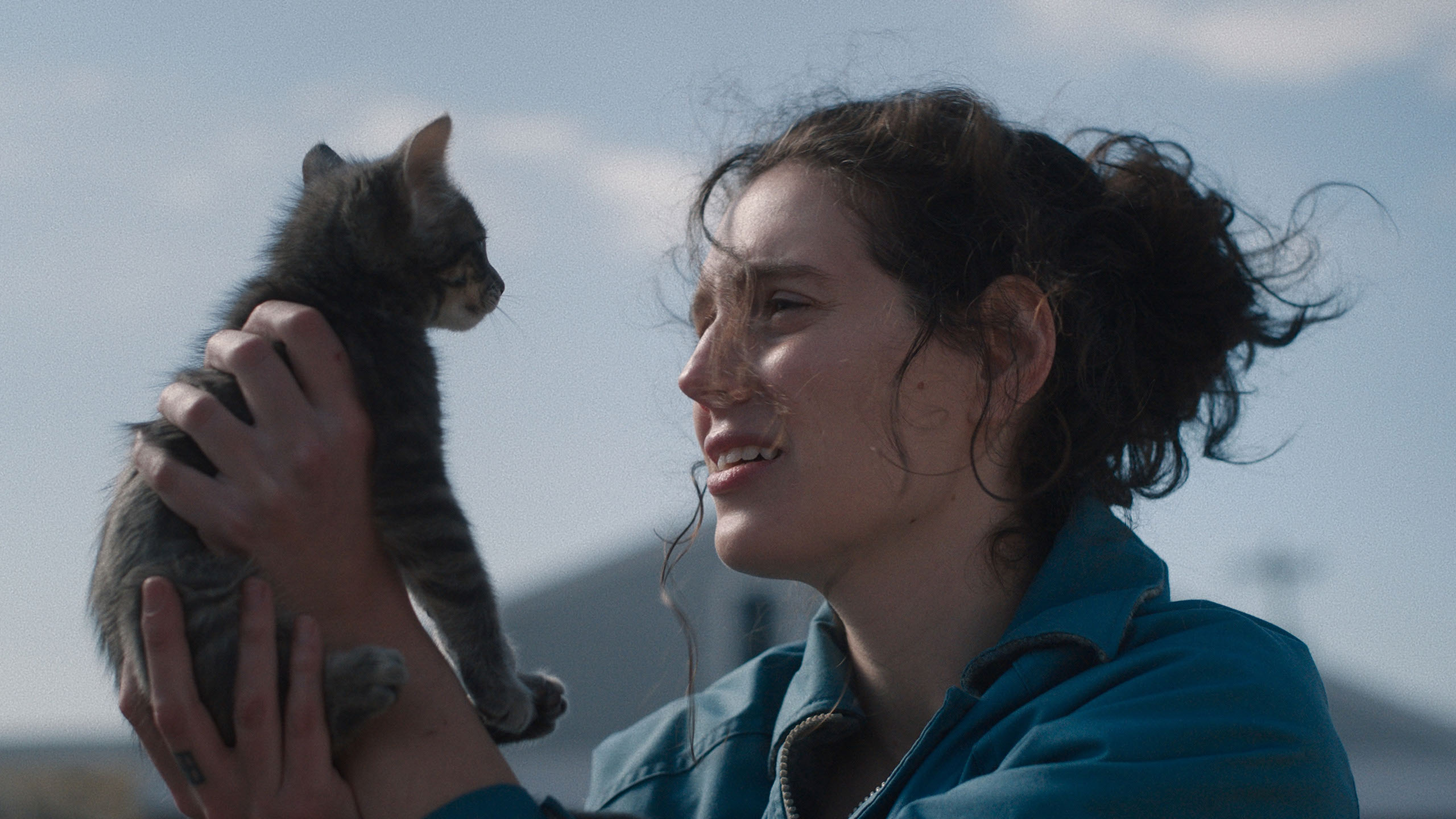
Eva Victor appears in Sorry, Baby by Eva Victor | photo by Mia Cioffi Henry.
Directed by Eva Victor
Starring Eva Victor, Naomi Ackie, Louis Cancelmi, Kelly McCormack, Lucas Hedges, John Carroll Lynch
A UK premiere for Eva Victor’s debut (writing, directing and starring) at this year’s Edinburgh International Film Festival, and I have to say a film I absolutely loved. Told out of sequence, with each part getting its own chapter heading to keep things straight, we open with Victor’s Agnes greeting her best friend, Lydie (Naomi Ackie) at her house in rural New England for a weekend together. Best friends throughout grad school, Lydie is now living and working in New York, her career moving, and her personal life (she’s realised she preferred girls and has found the one she wants).
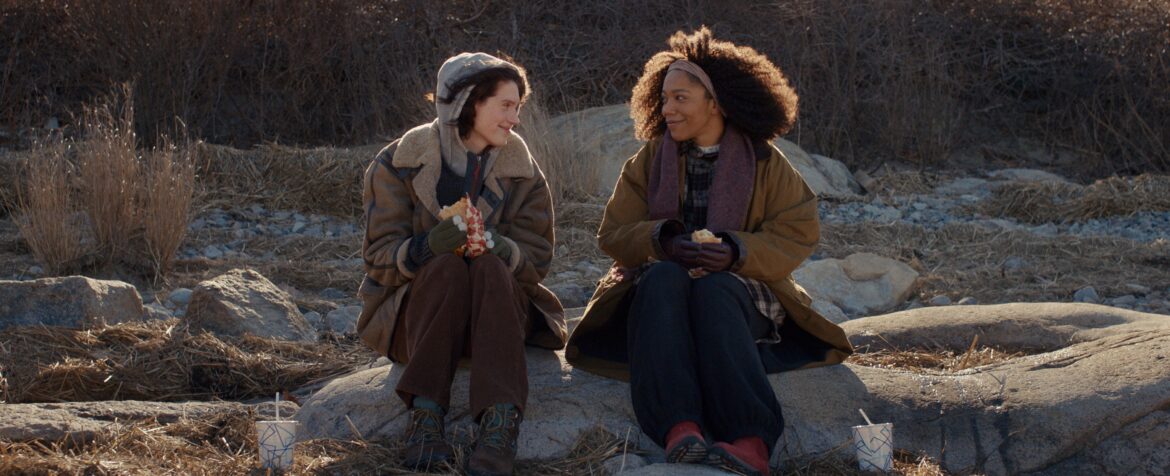
It’s winter in the countryside, and the bare trees and dark nights stand in contrast to the warmth both of Agnes’s home, and her friendship with Lydie, as the two catch up, talk, relax. Both actors do a wonderful job here, you get a real feeling of a deep, years-old friendship from both of them, not just in the dialogue and emotions, but the body language, the domestic set-up they so easily fall into. Beneath it all, though, Lydie is worried about Agnes – she’s gone from student to being a professor but in the same department of the same small college, and still lives in the same house she shared with Lydie as students, almost like her life is moving forward, but with the sluggishness of an iced-over river in winter.
Agnes deflects her concerns, and mostly shows an upbeat view of things, except when she quietly bemoans Lydie being too far away from her now and wanting her to visit more often. They are both going to a meal with some other former student friends, including Natasha (Kelly McCormack), a flighty, twitchy, needy personality who is clearly jealous that Agnes was the best in their group, and the first one to get a full-time teaching post from it. When Natasha makes a barbed comment about their former tutor, in a quiet, but telling moment we see Lydie take her hand under the dinner table.
As we find out in another chapter, which takes us back in time to the Year of the Bad Thing, her incredibly supportive and nice tutor, Preston (Louis Cancelmi), who had encouraged her work, used his position to force himself on her, sexually. The act is, thankfully, not depicted; instead Victor uses the passing of the short, winter day to denote something has happened over the course of that time, a time too long for a simply talk about her graduation thesis, showing us the outside of the house, night falling, lights coming on, still nothing but the house, until the door opens and Agnes walks out, pausing only to put her boots on (not even lacing them up) before stomping in an unusual gait back through the dark to her car, Preston glimpsed standing behind the door, watching.
Of course this is a tremendously sensitive subject to handle, and I found Victor’s approach to be interesting, and different from other narratives dealing with trauma (especially of the non-consensual sexual variety). We do see her, still in shock at what has happened, clearly not quite grasping it all yet, trying to explain to Lydie back home, then subsequent scenes with an incredibly lacking in empathy doctor to examine her, and HR people at the college who wear obvious “we really care and take this seriously” masks, but who will do nothing really (apart from tell Agnes “they understand” because “we are women too”, when clearly they don’t and would rather the problem just went quietly away).
The story could easily have followed the trope of shattered confidence and broken life, and trying to overcome the trauma, but instead Victor gives us Agnes moving on, at least a little. She gets a full time teaching post, but in a thoughtless move the admin staff give her the same office of her former tutor and abuser (who resigned before any action could be taken against him). So she has her dream job, her students love her, her fellow staff admire her work, but there is a strong feeling under the surface that she has much to process (little clues like feeling constantly there is someone outside on the porch at night, but there never is, leading her to cover a window up with pages of her own thesis), and is in a place that is a constant reminder of her former tutor (but at least she now has a rescue kitten).
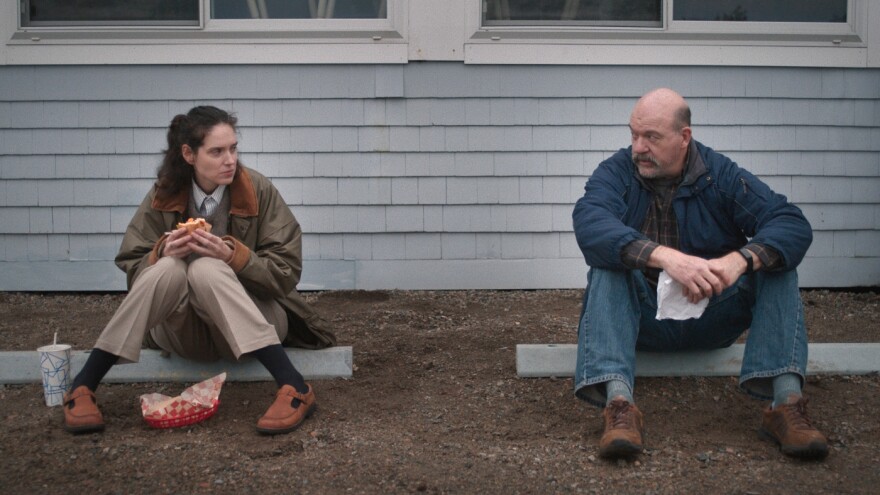
Instead of the long, dark, night of the soul and then some sort of sudden catharsis, we get something more naturalistic, as the rest of the film follows Agnes, often getting on with her life, not thinking about what happened, but then some days it hits her like a brick. There’s a beautiful little scene with veteran actor John Carroll Lynch, as a seemingly grumpy older guy, who is about to tell her off for bad parking, but recognises the pain she is in, and his demeanour changes and softens, and she finds herself able to talk to him about it, how some days she is fine, doesn’t think about it, then she feels bad for not thinking about it, then she does think about it… The kindness of strangers comes through here in a small but emotionally touching scene, and anyone who has been through any kind of emotional trauma will likely recognise much of her behaviour.
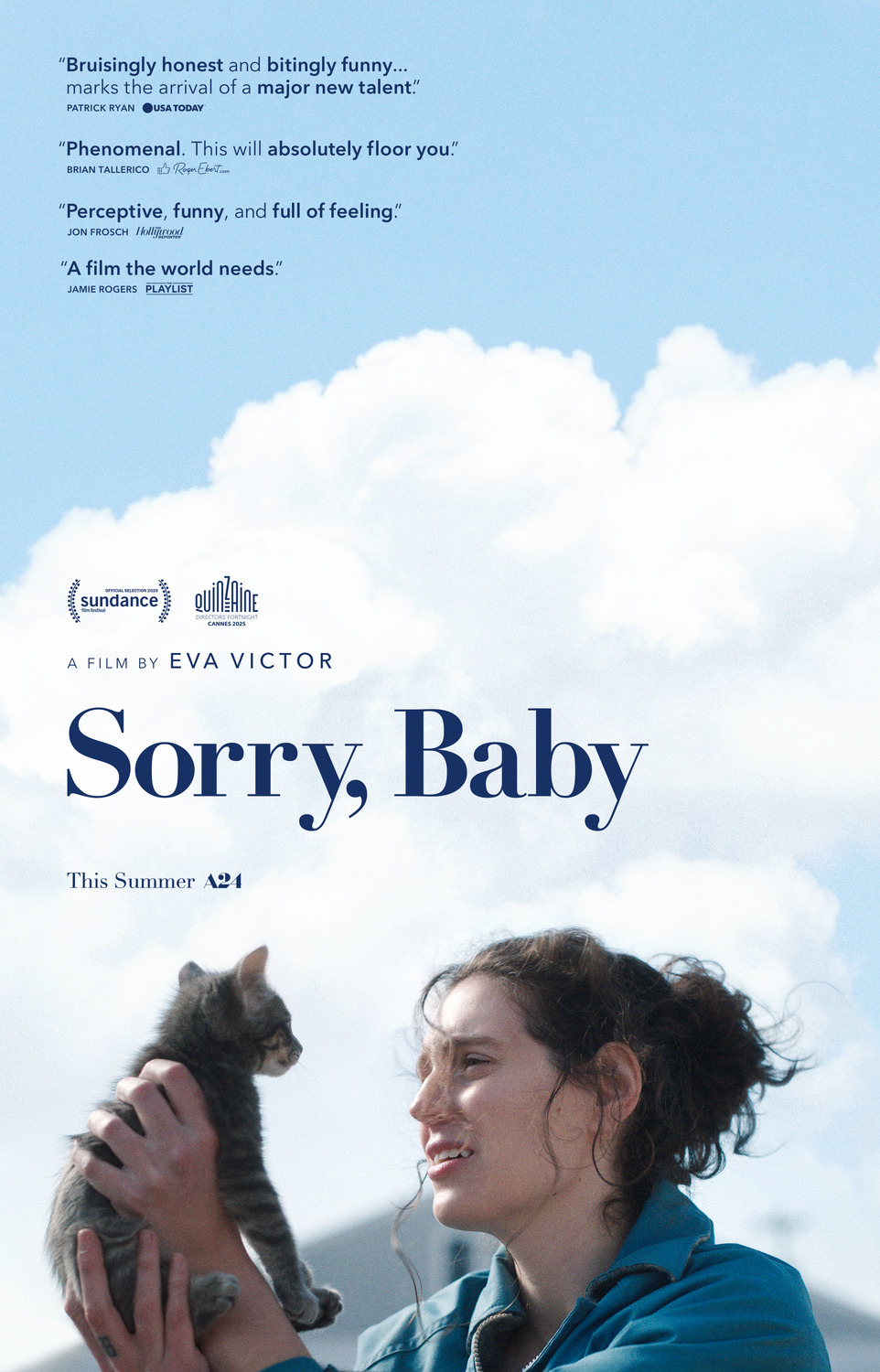
Sorry, Baby is a beautifully-made debut film, played very naturally, not overly dramatising the events, which makes them feel all the more human and real. The humour Agnes often uses means that, despite dealing with some very sensitive and difficult material, the film often remains feeling light and engaging, as do both Lydie and Agnes. Despite that core trauma, there’s a real feeling of human warmth running through Sorry, Baby, and I am hopeful this marks out Victor as a new talent to watch for.
Trailers
Support Live For Films
Follow Us




Advert
Recent Posts


Film Festivals and Conventions







Check out these other sites